Healing Your Inner Child: How Childhood Emotional Wounds Affect Adult Life
Healing your inner child can help you understand emotional pain from childhood. Healing your inner child is an emotional journey that helps you understand how childhood emotional wounds affect adult life in ways you may not even realize. Many people struggle with anxiety, low self-worth, emotional exhaustion, people-pleasing, or fear of abandonment without understanding that these patterns often begin in childhood experiences.
The emotional pain we carry from our younger years does not simply disappear with age. Instead, it quietly shapes our relationships, reactions, confidence, and the way we see ourselves. Healing your inner child means learning to give yourself the love, safety, understanding, and emotional support that may have been missing earlier in life. “Sometimes the adult version of you is exhausted because the child inside you never truly healed”.
What Is Inner Child Healing and Why Does It Matter?
Inner child healing means reconnecting with the emotional version of yourself that still carries old pain, unmet needs, fears, insecurities, and memories from childhood.
It does not mean blaming your parents for everything.
It does not mean living in the past forever.
It simply means understanding that childhood experiences shape the way we love, trust, react, communicate, and see ourselves.
Sometimes the anxiety you feel today started years ago
Sometimes your people-pleasing habits were survival mechanisms.
And sometimes your inability to rest comes from growing up believing your worth depended on achievement.
Children absorb everything emotionally.
Even the things adults think they will forget.
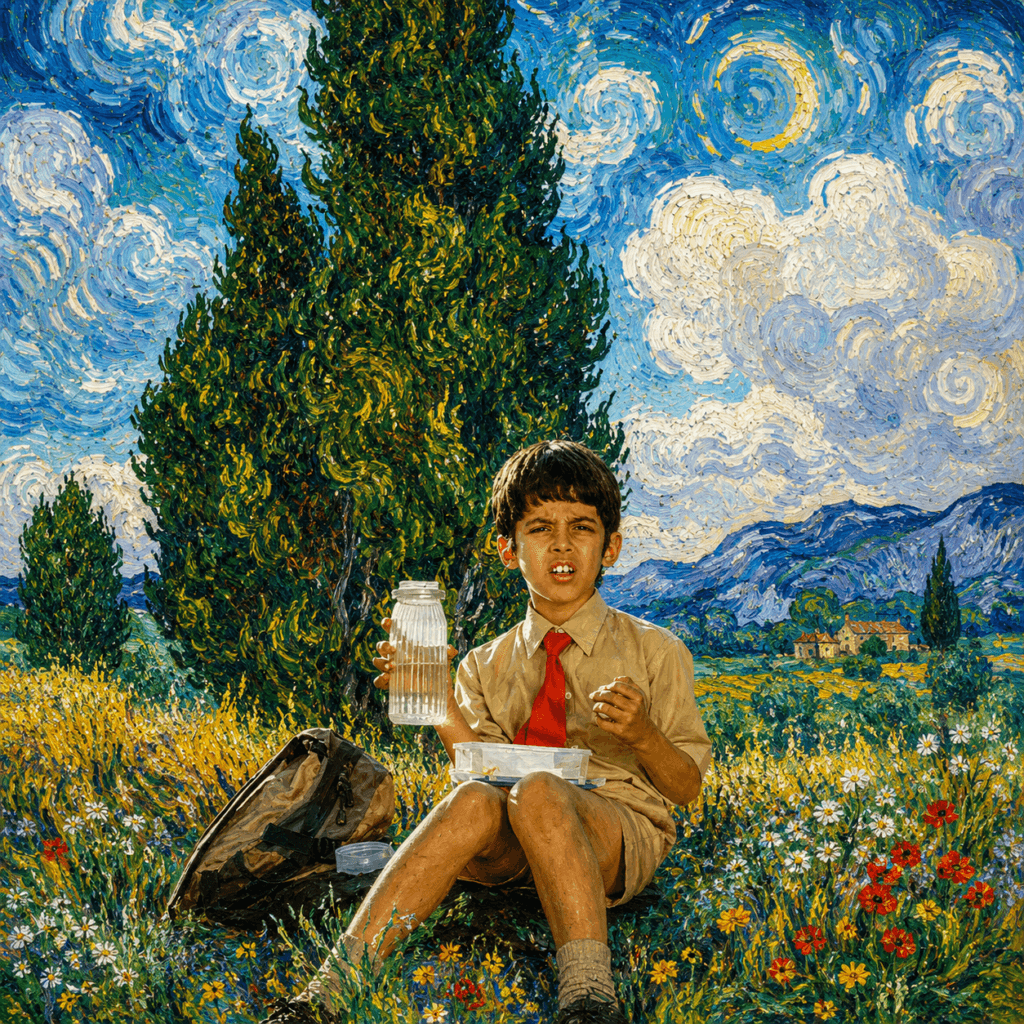
Signs Your Inner Child Is Still Emotionally Hurt
Not all childhood wounds look dramatic.
Some people grew up with food, education, and shelter — yet still felt emotionally alone.
Inner child wounds can show up quietly in adulthood.
You may notice:
- You overthink small changes in people’s behavior.
- You apologize too much.
- You fear being “too much” emotionally.
- You struggle to accept love fully.
- You constantly seek validation.
- You feel guilty for resting.
- You get emotionally attached very quickly.
- You avoid conflict because it feels unsafe.
- You feel abandoned easily.
- You crave reassurance constantly.
- You become extremely hard on yourself after mistakes.
Sometimes adult reactions are actually younger emotions resurfacing.
Your body grows up.
But certain emotional wounds remain frozen in time.
How Childhood Emotional Trauma Stays With You as an Adult
Your inner child remembers:
- The times you cried alone.
- The moments you felt ignored.
- The fear of disappointing people.
- The pressure to grow up too fast.
- The loneliness nobody noticed.
- The love you had to earn instead of naturally receiving.
Even if you do not consciously think about those moments every day, your nervous system remembers how unsafe, unloved, or emotionally unsupported you once felt.
And that pain can quietly follow you into adult relationships, friendships, work, and self-worth.
Sometimes people think they are “too sensitive.”
But often, they are simply carrying emotions they never had the chance to process safely.
You Can Love Your Parents and Still Heal From Childhood Pain
You can love your parents and still acknowledge your pain.
You can appreciate what people did for you while also recognizing what was emotionally missing.
Many parents were emotionally wounded themselves.
Some were never taught how to express affection.
Some believed survival mattered more than emotional connection.
Some loved deeply but struggled to show it properly.
Understanding this can create compassion.
But compassion should not require you to ignore your own emotional reality.
Your pain still matters.
Not every wound leaves scars-Some become personalities.
Some wounds never become visible scars. Instead, they quietly shape a person’s personality, fears, habits, and emotional reactions. A child who once felt unheard may become an adult who over-explains everything. Someone who grew up without emotional safety may struggle to trust love completely. Over time, survival mechanisms start feeling like personality traits, even though they were born from pain.
“Sometimes the saddest personalities are simply wounded hearts trying to survive quietly.”
Emotional Triggers and Childhood Trauma Connection
Not every emotional reaction is about the present moment.
Sometimes your current pain is connected to older emotional memories.
For example:
- Being ignored today may remind your nervous system of feeling unseen as a child.
- Rejection may awaken old fears of not being good enough.
- Conflict may feel terrifying because your childhood environment felt emotionally unpredictable.
- Criticism may hurt deeply because love once felt conditional.
This does not mean you are “dramatic.”
It means your emotional system learned survival patterns early.
And survival patterns do not disappear overnight.
Healing requires patience with yourself.
What Is Reparenting Yourself? A Guide to Emotional Healing
One of the biggest parts of inner child healing is something called reparenting.
It means giving yourself the emotional support, validation, safety, and care you may not have fully received growing up.
It looks like:
- Allowing yourself to rest without guilt.
- Speaking kindly to yourself.
- Setting boundaries.
- Letting yourself cry without shame.
- Comforting yourself during anxiety instead of attacking yourself.
- Choosing relationships that feel emotionally safe.
- Protecting your peace.
- Learning that your needs matter too.
Reparenting is powerful because it teaches your nervous system something new:
You are no longer alone with your pain.

Maybe You’re Not Lazy — You’re Emotionally Exhausted
Sometimes the tiredness you feel is not just physical.
It is emotional exhaustion built over years of being strong for everyone else, hiding your feelings, overthinking everything, and carrying responsibilities too early in life.
So now, even while resting, their mind stays tired.
You are not lazy for feeling drained.
Some hearts simply carry more than they ever talk about.
Maybe you are not weak for feeling tired… maybe you have just been strong for far too long.
Growing Up Too Fast Can Leave Emotional Wounds
Some people had to grow up too early.
They became the strong child, the quiet child, the one who never asked for too mu
But children need love too.
Comfort, Safety and Softness.
So if life feels heavier for you now, maybe it’s because you’re carrying needs that were never fully met.
And sometimes the most exhausted adults are just children who learned to survive before they learned to feel safe.
How to Start Healing Your Inner Child Slowly
Healing does not happen in a straight line.
Some days you feel better, and some days small things hurt you again.
That does not mean you are failing.
It just means some pain takes time to heal.
Maybe healing is not becoming a new person… maybe it is finally being kind to yourself.
Simple Inner Child Healing Practices for Emotional Peace
You do not need to completely transform overnight.
Small acts of emotional care matter too.
You can start by:
- Journaling your emotions honestly.
- Talking to yourself more gently.
- Allowing yourself to rest.
- Doing things your younger self loved.
- Listening to comforting music.
- Setting healthier boundaries.
- Letting yourself feel emotions without shame.
- Seeking therapy if accessible.
Healing often begins with simple moments of emotional honesty.
Healing Sometimes Looks Quiet
Sometimes healing does not look dramatic.
Sometimes it looks like cleaning your room after emotionally difficult days, taking a long shower, or finally allowing yourself to rest.
Some healing happens quietly, in moments nobody notices.
Because in reality, you are not just cleaning your room — you are slowly trying to organize the mess inside your heart too. Sometimes healing is waking up and deciding to try again. Sometimes it is sitting alone in silence and finally allowing yourself to breathe. Not every healing journey looks beautiful from the outside.
And honestly, the strongest kind of healing is often the one that happens silently behind closed doors.
Why Healing Your Inner Child Takes Time
One day, you notice something quietly changing.
You stop begging for love that hurts.
You stop treating your emotions like burdens.
And slowly, your inner child begins feeling safer inside you.
Not because life became perfect.
But because you finally started creating beautiful memories with yourself too.

Gentle Reminder for the Person Who Has Been Trying Their Best
You do not have to earn rest.
You do not have to explain your pain for it to be real.
And you do not have to stay in survival mode forever just because it once protected you.
Some days healing looks like progress.
Some days it looks like simply making it through the day.
Both still count.
Be gentle with yourself.
You are healing parts of you that once had to stay strong alone.
One day, your nervous system will stop confusing peace with danger… and that day will feel like finally coming home to yourself.
born to say-Har bachcha special hota hai.
forced to say-Jab dil ko samjha nahi jaata, toh woh chup hona seekh jaata hai.
Final Thoughts on Healing Your Inner Child
Maybe healing your inner child is not about becoming someone new.
Maybe it is about finally giving yourself the love, safety, patience, and understanding you always needed. Healing your inner child is not about becoming perfect. It is about finally feeling emotionally safe within yourself. the child inside you never wanted perfection — only reassurance that they were lovable, even in their most sensitive and imperfect moments.
So if you are healing slowly, learning boundaries, or rebuilding yourself after difficult years… be gentle with yourself.
Because sometimes healing is simply this:
becoming the person your younger self would have felt safe with. people do not need advice anymore… they just need a safe place to finally feel.
This post feels like a warm hugSach mein exactly what ‘Midnight Healing’ stands for ❤️