“Sometimes we don’t stay because we’re happy.
We stay because leaving feels even more painful.”
One of the most confusing emotional experiences is knowing a relationship is hurting you… and still finding yourself unable to leave.
“Voh toh dost tha na mera…
voh toh ghar jaisa sukoon tha.
Phir kya hua? Kaise itni jaldi badal gaya voh…”
Roz lagta tha shayad kami mujhme hi hogi, isliye har baar main hi rishta bachane laut aati thi. har alvida me dono nhi rote, rota vahi hai jo Rishta bachana chahta hai. Sabse zyada dard tab hua jab samajh aaya — main jise apna ghar samajhti thi, voh kabhi mujhe apna samjha hi nahi.
People often ask:
“If they were treated badly, why didn’t they just walk away?”
But toxic relationships are rarely that simple.
Not every toxic relationship looks abusive from the outside. Some look normal in public while emotionally exhausting someone in private. Some relationships survive through emotional manipulation, inconsistency, false hope, loneliness, trauma bonding, or fear of starting over.
And sometimes the deepest reason people stay is because they became emotionally attached to the version of the person they keep hoping will return.
The truth is, many people are not addicted to pain.
They are attached to the temporary moments of love that appear between the pain.
That emotional cycle is what makes toxic relationships so difficult to leave.

What Is a Toxic Relationship?
A toxic relationship is a connection that consistently damages your mental health, emotional peace, confidence, or self-worth.
It may involve:
- emotional manipulation
- disrespect
- controlling behavior
- dishonesty
- emotional neglect
- gaslighting
- inconsistent affection
- lack of trust
Toxic relationships do not always begin badly.
In fact, many start with intense emotional connection, attention, reassurance, and affection. This early emotional intensity often creates deep attachment before the unhealthy patterns even become visible.
That’s why many people struggle to accept that the relationship has become emotionally unhealthy.
They keep remembering the beginning.
Why People Stay in Toxic Relationships
There is never just one reason.
Most people stay because of a combination of emotional attachment, fear, hope, loneliness, and emotional conditioning.
1. Fear of Being Alone
One of the biggest reasons people stay in unhealthy relationships is the fear of loneliness.
Many people would rather remain emotionally unhappy with someone than emotionally alone by themselves.
The relationship may hurt them daily, but the idea of starting over feels terrifying.
Questions begin filling their mind:
- “What if I never find love again?”
- “What if nobody understands me like they did?”
- “What if being alone hurts even more?”
This fear often becomes stronger when someone has already built their emotional routine around one person.
Leaving then feels like losing a part of themselves.
Emotional Attachment Makes Leaving Harder
When someone gives love inconsistently — sometimes caring deeply and sometimes becoming cold — the brain becomes emotionally attached to the unpredictability.
This is called trauma bonding.
You start craving the moments when things feel “good again.”
After every argument or painful experience, even small affection begins feeling emotionally rewarding.
A simple apology.
A kind message.
One good day.
And suddenly you convince yourself:
“Maybe things are changing.”
This cycle keeps people emotionally trapped for months or even years.
We Often Fall in Love With Potential
Many people stay because they are emotionally attached to who the person could become, not who they consistently are.
You remember:
- their sweet side
- their promises
- their emotional moments
- the version of them you met in the beginning
And you keep hoping that version will return permanently.
But relationships cannot survive on potential alone.
Love without emotional safety eventually becomes emotionally exhausting.
You cannot heal in a place that continuously hurts you.
“And somewhere in that cycle, you stop asking whether the relationship is healthy.
You only start asking whether they still love you.”
Childhood Trauma Can Normalize Toxic Behavior
Sometimes people stay in toxic relationships because unhealthy behavior feels emotionally familiar.
If someone grew up around:
- emotional neglect
- constant criticism
- unstable love
- toxic family
- lack of emotional validation
they may unconsciously accept unhealthy treatment in adulthood because chaos feels normal to them.
Healthy love may even feel “boring” or unfamiliar at first because they are used to emotional instability.
This is why healing childhood wounds is important for building healthy relationships later in life.
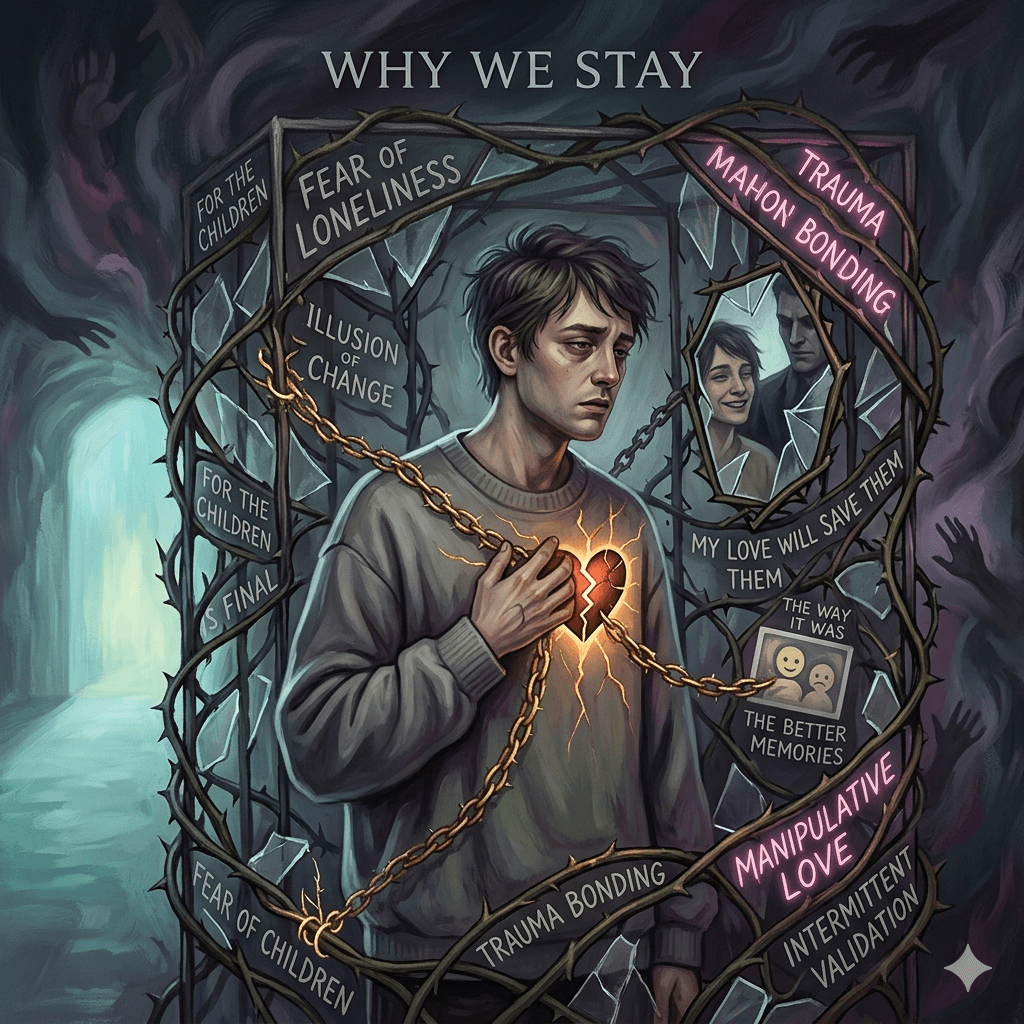
Low Self-Esteem Keeps People Stuck
Toxic relationships slowly damage self-worth.
Over time, a person may begin believing:
- they are hard to love
- they deserve poor treatment
- nobody else will choose them
- their emotions are “too much”
- they should tolerate pain to keep love
Once self-confidence weakens, leaving becomes harder because they stop believing they deserve better.
The relationship not only hurts them — it changes how they see themselves.
The Pain of Loving Someone Who Isn’t the Same Anymore
I never said it out loud, but somewhere between missing you and losing myself, I started hating you too. Because loving you hurts now. And maybe I could’ve moved on easily if you had always been careless. But you weren’t. I still remember the days you treated me like I mattered. The way you made my birthday feel special. The way you showed concern in the smallest things.
The way you said, “Text me when you reach home.”
And maybe that’s what hurts the most — those moments were real to me,
but temporary to you. Because now you’ve changed, and I’m left loving a version of you
that doesn’t exist anymore.
Signs You Are in a Toxic Relationship
Many people do not realize how emotionally unhealthy their relationship has become.
Some common signs include:
- constantly feeling emotionally drained
- fear of upsetting your partner
- losing confidence
- feeling anxious more than peaceful
- repeated disrespect
- emotional manipulation
- lack of communication
- feeling lonely even in the relationship
- always blaming yourself
- needing constant reassurance
- sacrificing your mental health to keep the relationship alive
Healthy relationships may have disagreements, but they should still provide emotional safety, trust, respect, and peace.
Love should not constantly make you feel emotionally exhausted.
Why Leaving Feels So Difficult
Leaving a toxic relationship is not just about physically walking away.
It involves grieving:
- memories
- emotional attachment
- future plans
- emotional comfort
- routines
- hopes
That grief is real.
And many people return because temporary loneliness feels unbearable during healing.
But loneliness heals faster than continuous emotional damage.
How to Heal From a Toxic Relationship
Healing takes time because toxic relationships often leave emotional scars.
But recovery becomes possible when you slowly reconnect with yourself again.
1. Stop Romanticizing the Bare Minimum
Respect, consistency, honesty, and emotional care are not “special favors.”
They are basic relationship foundations.
When someone gives the bare minimum after hurting you repeatedly, it should not feel extraordinary.
2. Rebuild Your Self-Worth
Toxic relationships often disconnect people from themselves.
Start rebuilding your identity outside the relationship:
- focus on hobbies
- reconnect with supportive people
- improve your mental health
- create emotional independence
- spend time alone peacefully
The stronger your relationship with yourself becomes, the harder it becomes for unhealthy people to control your emotions.
3. Accept Reality Instead of Potential
One of the hardest but healthiest steps is accepting people for who they consistently are — not who they occasionally become during emotional moments.
Love should be based on reality, not endless hope.
Patterns matter more than promises.
4. Learn That Love Should Feel Safe
Many people confuse emotional intensity with love.
But real love is not constant anxiety, confusion, fear, or emotional exhaustion.
Healthy love feels emotionally safe.
It allows peace, communication, trust, emotional support, and mutual respect to exist together.
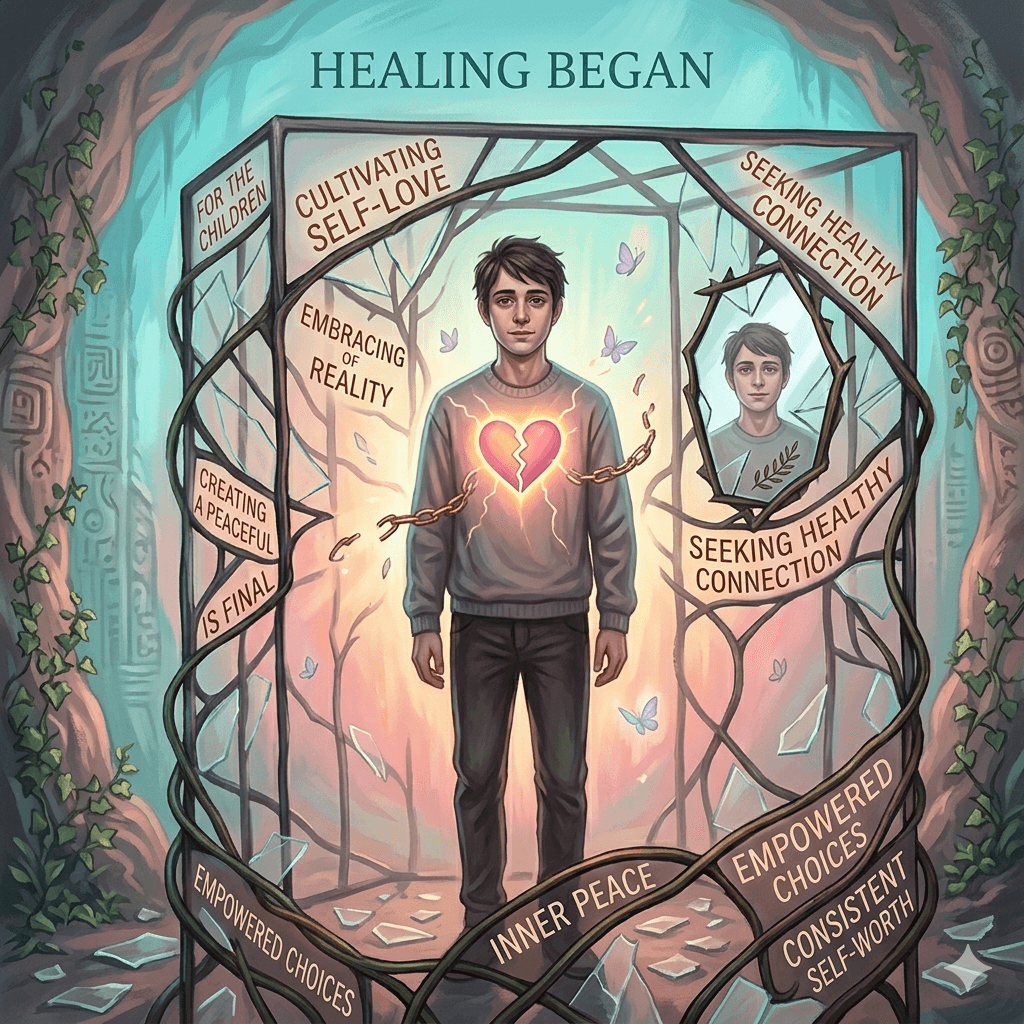
The Importance of Choosing Yourself
One painful truth about toxic relationships is this:
People often abandon themselves while trying not to lose someone else.
You keep forgiving.
Keep understanding.
Keep waiting.
Keep hoping.
Until one day you realize you disappeared emotionally while trying to save the relationship.
That realization changes everything.
Because healing begins the moment you understand that protecting your peace is not selfish.
Choosing yourself is not selfish either.
Sometimes walking away is the most loving thing you can do for your mental health.
“Healing didn’t begin when they changed.
It began when I stopped abandoning myself to keep them.”
Final Thoughts: Love Shouldn’t Feel This Heavy
Your life is already heavy enough. Don’t make it harder by loving someone who is emotionally unavailable. Because people like that don’t just confuse your heart — they slowly fill your mind with overthinking, unanswered questions, and silent pain. One day they make you feel special, and the next day they make you feel unwanted. And the saddest part is, you keep blaming yourself for the distance they created.
We stay in toxic relationships for many emotional reasons — fear, attachment, hope, loneliness, trauma, and the desire to feel loved.
But love should never require you to lose yourself completely.
A healthy relationship should not constantly damage your confidence, emotional peace, or self-worth.
And while leaving may hurt temporarily, staying in a place that continuously breaks you hurts far longer.
Sometimes the strongest thing a person can do is finally stop choosing painful familiarity over peaceful healing.
Because real love will never make you feel emotionally unsafe every single day.
“Agar kisi cheez ko dil se chaho… toh poori kainaat usse tumse door karne mein lag jaati hai.” — Ae Dil Hai Mushkil
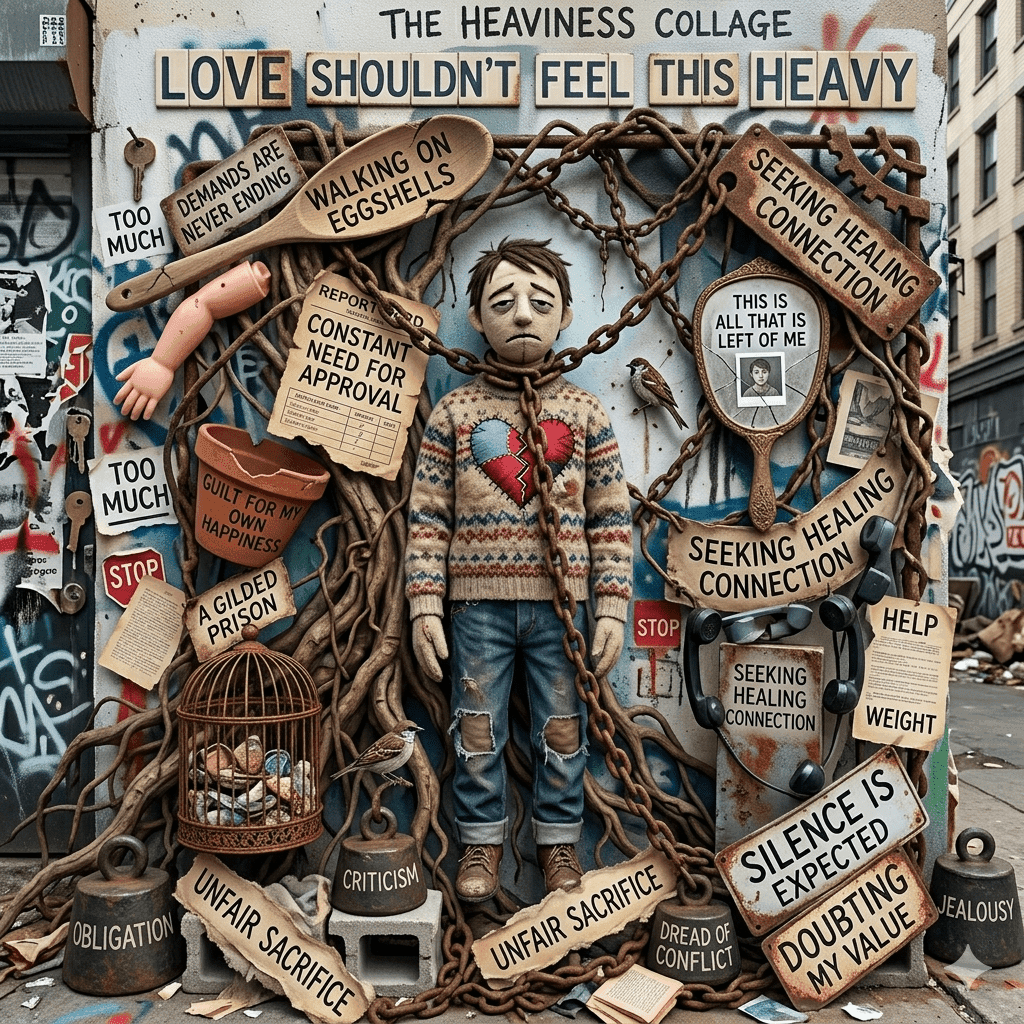
Conclusion: Choosing Peace Over Toxic Love
Not every relationship that lasts is healthy, and not every ending is a failure.
Sometimes walking away from toxicity is the beginning of finally finding yourself again. And the moment you start choosing your peace over painful attachment, healing quietly begins.
Peace may feel lonely at first, but it hurts less than staying where love keeps breaking you.