Toxic family and mental health are deeply connected in ways people often don’t talk about. Living in a toxic family environment doesn’t always mean visible fights or abuse—it can also mean emotional neglect, constant criticism, and feeling unheard in your own home. Over time, this kind of environment quietly affects self-esteem, emotional stability, and overall mental peace ” jab insaan sukoon ghar se bahar dundhne lag jaye toh kami ghar me nhi rishton mein hai”
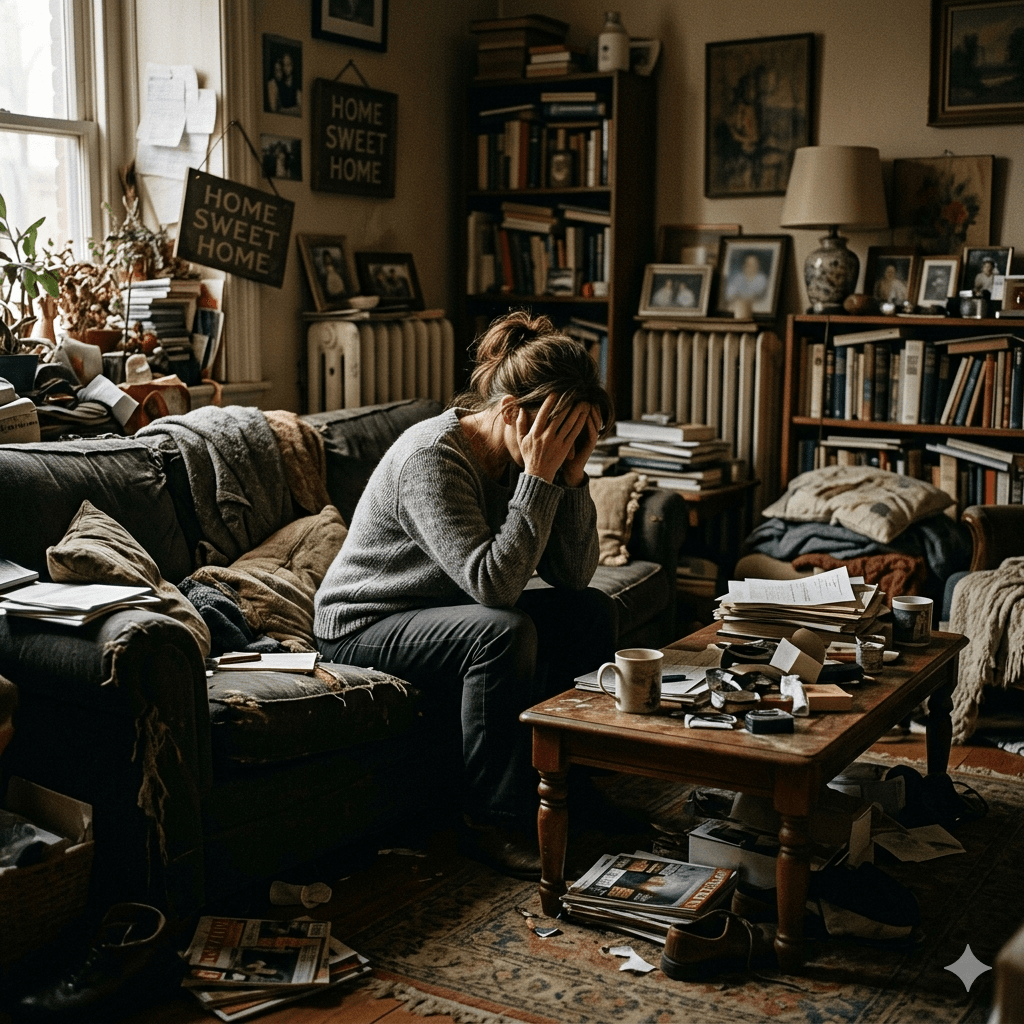
jab ghar mein hi pyaar na mile toh kidhar jaye?
yahi sawal aata hai mere man mein. pata hai jab families toxic ho toh insaan ya toh ‘ rebellious ya over sensitive ban’ jata hai. itna kamzor ban gaya hoon me agr koi apne fayde ke liye mujhse 2 meethi baate kar deta hai toh araam se usse apna maan bethta hoon.
Har toxic ghar me bure log nahi hote…
par har toxic ghar kisi na kisi ache insaan ko tod zaroor deta hai.
Mental health struggles caused by toxic family environments are more common than people admit. Anxiety, low self-esteem, emotional burnout, overthinking, and even depression often begin at home.
The hardest part? Many people grow up believing this behavior is “normal.”
‘But healing starts the moment you stop normalizing pain’.
How Toxic Family Environments Affect Mental Health
Many people don’t realize how strongly toxic family and mental health influence each other. Over time, such environments can lead to anxiety, low self-esteem, overthinking, and emotional exhaustion. You may start questioning your own worth because toxic family and mental health issues slowly shape the way you see yourself. A toxic family doesn’t always mean physical abuse or constant fighting. Sometimes toxicity hides behind emotional manipulation, guilt, control, or neglect.
mere ghar vale mujhe marte nhi hai par unki kuch bate mere dil me bahot gehre tarike se chub si jate hai. bahar ki duniya me khudka ‘stand’ kese lu jab thak ghar valo ko ye nhi samjha paa raha ki mujhe science nhi leni papa.
“Dil toh karta tha Rancho ki tarah bol du — Kaabil bano, kaamyabi toh saali jhak maarke peeche bhagegi.’
Par kuch sapne ghar ke darr ke neeche dab jaate hain… aur akhir mein bas ek line reh jaati hai —
‘Nahi bol paya… bas nahi bol paya.’”

Here are some common signs:
- Constant criticism instead of support
- Emotional invalidation (“you’re overreacting”)
- Comparing you with others
- Lack of privacy or respect
- Controlling behavior
- Making you feel guilty for setting boundaries
Living in such an environment can deeply affect your mental health and emotional well-being.
You may start feeling:
- Mentally drained all the time
- Anxious even during small conversations
- Scared of expressing yourself
- Guilty for prioritizing your peace
- Lonely even around family
The truth is: emotional pain leaves marks too. What makes it harder is that people often normalize it. In many homes, emotional pain is ignored, and that silence makes toxic family and mental health struggles even deeper. You begin to believe that your feelings don’t matter.
“A story many people might silently relate to.”
At 1:47 AM, I sat on the edge of my bed staring at the ceiling.
The house was silent, but my mind wasn’t.
kyuki mein bas thak chuki thi sab chizo se. chize jaise-ye kyu pehna hai ye bhi utaar do na, kitna jor se hansti ho, opposite gender agr dost hai toh me characterless kehladi gyi,khudka stand lene ka try kia toh ‘rebelious’ ban gyi.
“Mere liye ghar kabhi sirf ghar nahi raha…
aisa lagta tha jaise har baar bahar jaane se pehle mujhe apni khwahishon ka case ladna padta ho — aur permission milna hi uska final verdict hota tha.”
People who hurt you are not always evil. Sometimes they are simply wounded people who never learned how to love properly.
But understanding someone’s pain should never mean accepting your own suffering forever.
The Impact of Toxic Family Relationships on Mental Health
Growing up in a stressful home environment changes the way your brain responds to emotions and relationships.
Toxic Family and Low Self-Esteem
If you constantly hear criticism, your inner voice eventually starts sounding the same.
You begin questioning:
- “Am I enough?”
- “Why am I never appreciated?”
- “Maybe I really am the problem.”
This can lead to self-doubt and lack of confidence in adulthood.
How Toxic Families Cause Anxiety and Overthinking
When home feels unpredictable, your nervous system stays alert all the time.
You start overanalyzing:
- People’s tone
- Text messages
- Facial expressions
- Small mistakes
Your mind learns survival instead of peace.
Emotional Suppression in Toxic Family Environments
In emotionally unhealthy homes, vulnerability is often mocked or ignored.
Eventually, you stop sharing how you truly feel.
You say:
“I’m fine.”
Even when your mind is exhausted.
Emotional Burnout Caused by Toxic Family Dynamics
Living in constant negativity drains your mental energy.
You may feel tired even after resting because emotional stress affects both mind and body.
How Toxic Family Environments Damage Self-Worth
They make you believe:
“Your feelings don’t matter.”
But your feelings matter.
Wanting peace does not make you selfish.
Setting boundaries does not make you disrespectful.
Protecting your mental health does not make you weak.
You are allowed to choose emotional safety.
How to Protect Your Mental Health in a Toxic Family
Healing doesn’t happen overnight, especially when the pain comes from people you love. But small steps can slowly rebuild your peace.
Breaking Free from Validation-Seeking After a Toxic Family Upbringing
Not everyone will understand your emotions, dreams, or healing journey.
And that’s okay.
Your worth is not measured by family approval.
One of the most powerful forms of self-improvement is learning to validate yourself.
Setting Boundaries to Protect Mental Health from Toxic Family Behavior
Boundaries are necessary for mental health.
This can look like:
- Limiting toxic conversations
- Protecting your personal space
- Saying “no” without guilt
- Avoiding unnecessary arguments
Boundaries are not walls. They are emotional protection.

Finding Emotional Safety Beyond a Toxic Family Environment
Healing becomes easier when you have emotionally safe environments.
This could be:
- Journaling at midnight
- Talking to a trusted friend
- Listening to calming music
- Reading self-improvement blogs
- Therapy or support groups
Sometimes peace starts in small corners of life.
Overcoming Self-Blame Caused by Toxic Family Relationships
Children often blame themselves for family problems.
But not every emotional wound is your fault.
You are not responsible for fixing everyone around you.
Self-Improvement and Healing After a Toxic Family Experience
Toxic environments can break confidence, so rebuilding yourself becomes important.
Start small:
- Improve your sleep schedule
- Read healing books
- Learn a skill
- Exercise regularly
- Practice mindfulness
- Spend time offline
Self improvement is not about becoming perfect.
It’s about becoming emotionally stronger.
Healing Your Mental Health After Growing Up in a Toxic Family
There comes a moment when you realize healing is less about changing others and more about saving yourself.
You stop arguing every night.
You stop explaining your pain to people committed to misunderstanding you.
You stop shrinking 1yourself just to keep others comfortable.
And slowly, your mind begins to breathe again.
Healing is quiet.
It looks like:
- Drinking water after crying
- Writing your thoughts at 2 AM
- Taking deep breaths during anxiety
- Choosing silence over chaos
- Learning to rest without guilt
These small things matter more than people think. Healing starts when you recognize that toxic family and mental health challenges are real, and you are allowed to protect your peace. Setting boundaries and prioritizing your emotional well-being is not selfish—it’s necessary for recovery.

Final Thoughts on Toxic Family and Mental Health Recovery
Not every family feels like home.
And accepting that truth can hurt deeply.
But your story does not end with the environment that hurt you.
You can still become soft after surviving harshness.
You can still become confident after years of criticism.
You can still create a peaceful life even if you were raised in chaos.
Healing from a toxic family is not about forgetting the pain.
It’s about refusing to let that pain define your future.
Maybe tonight, instead of asking,
“Why did this happen to me?”
Ask yourself:
“How gently can I start healing from here? And sometimes, that question alone becomes the beginning of peace.
Kabhi kabhi khud ke liye thoda jeena bhi zaroori hota hai.
Un moments ko choose karo jo tumhe zinda mehsoos karaye — kyuki zindagi sirf survive karne ke liye nahi hoti. at last me yeh kehna chahta hu if zindagi 4 din ki hai toh thodi daanth khake memories banane me kya harz hai? At the end of the day, toxic family and mental health should not define your future. You can still rebuild yourself, even after growing up in emotional chaos.